A clearer look at aloe.
Unlocking the Healing Powers of Aloe Vera: A Comprehensive Guide to Its Benefits
Discover the incredible healing powers of aloe vera and its numerous benefits for skin health, digestion, and immune support.
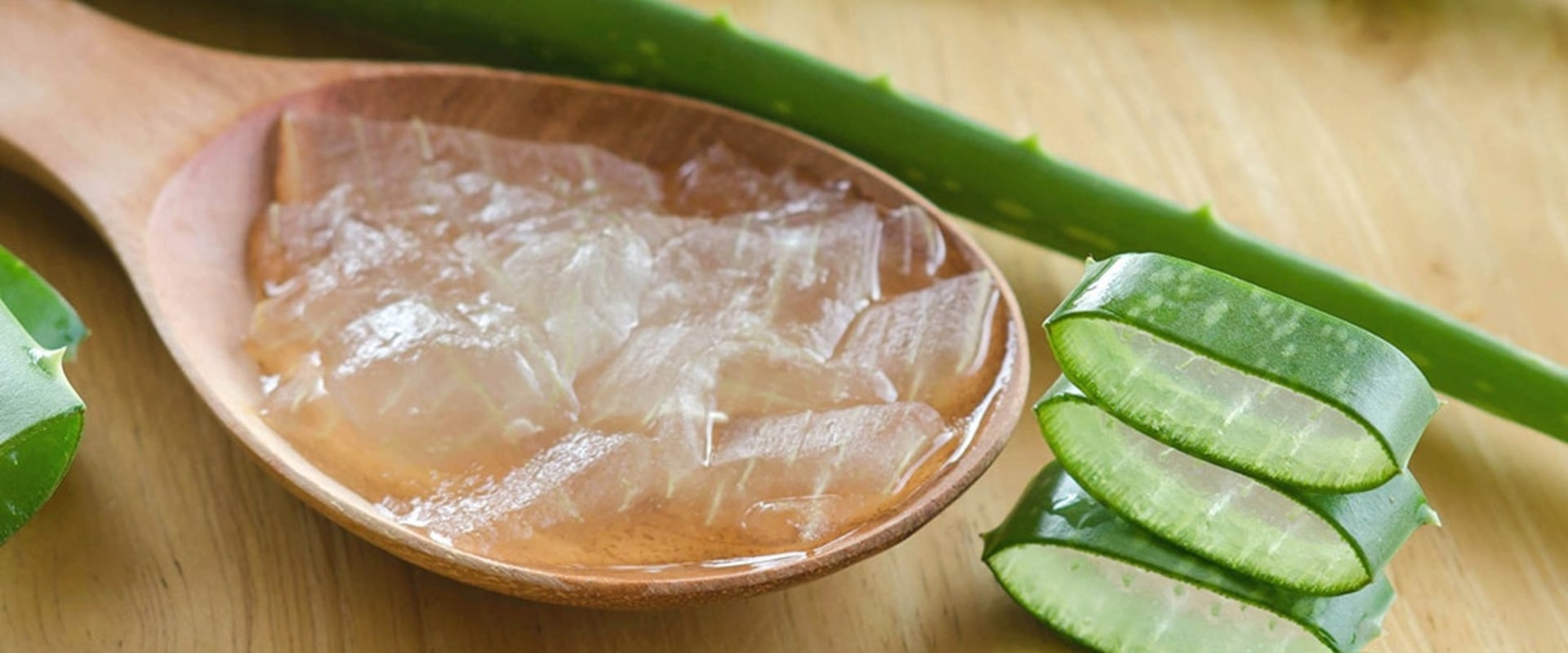
Aloe vera, often referred to as the "miracle plant," has captivated humanity for thousands of years with its remarkable healing properties. This succulent plant, native to arid regions, is not only a staple in many households but also a revered component of traditional medicine across various cultures. From ancient Egypt, where it was used by queens like Cleopatra for its beauty-enhancing qualities, to modern-day wellness practices that incorporate elements like Rose Quartz Crystals for Healing, the benefits of aloe vera are both diverse and profound. The historical significance of aloe vera cannot be overstated. It has been documented in ancient texts as a remedy for numerous ailments, showcasing its versatility and effectiveness. Aloe vera, often referred to as the "miracle plant," has captivated humanity for thousands of years with its remarkable healing properties. This succulent plant, native to arid regions, is not only a staple in many households but also a revered component of traditional medicine across various cultures. From ancient Egypt, where it was used by queens like Cleopatra for its beauty-enhancing qualities, to modern-day wellness practices that incorporate elements like Rose Quartz Crystals for Healing, the benefits of aloe vera are both diverse and profound. The historical significance of aloe vera cannot be overstated. It has been documented in ancient texts as a remedy for numerous ailments, showcasing its versatility and effectiveness.
The gel extracted from its thick leaves is packed with vitamins, minerals, and amino acids that contribute to its therapeutic effects. This natural wonder has been utilized for treating everything from skin irritations and burns to digestive issues, making it a cornerstone of holistic health. In contemporary times, the popularity of aloe vera continues to soar as more people seek natural alternatives to conventional medicine. Its healing properties extend beyond mere skin care; research indicates that aloe vera can support immune function, promote wound healing, and even aid in oral health. As we delve deeper into the myriad aloe vera benefits, it becomes clear that this plant is not just a relic of the past but a vital resource for modern health and wellness.
The Nutritional Profile of Aloe Vera
Aloe vera is not just a soothing topical remedy; it is also a powerhouse of nutrition packed with a variety of essential vitamins, minerals, and beneficial compounds.Understanding the nutritional benefits of aloe vera can help us appreciate its role in promoting overall health and wellness. One of the standout features of aloe vera is its rich composition of vitamins. It contains:
- Vitamin A : Known for its role in maintaining healthy vision and skin, vitamin A also supports immune function.
- Vitamin C : This powerful antioxidant helps protect the body from oxidative stress, boosts collagen production, and enhances skin health.
- Vitamin E : Another antioxidant that works synergistically with vitamin C to protect cells from damage and promote skin healing.
- B Vitamins : Aloe vera contains several B vitamins, including B1 (thiamine), B2 (riboflavin), B3 (niacin), B6 (pyridoxine), and B12 (cobalamin). These vitamins are crucial for energy metabolism, brain function, and red blood cell formation.
- Calcium : Essential for bone health and muscle function.
- Magnesium : Plays a key role in over 300 enzymatic reactions in the body, including energy production and muscle contraction.
- Zinc : Important for immune function, wound healing, and DNA synthesis.
- Selenium : An antioxidant that helps protect cells from damage and supports thyroid function.
- Potassium : Vital for maintaining proper fluid balance and nerve function.
- Amino Acids : Aloe vera provides 20 of the 22 essential amino acids that the body needs to build proteins.
- Polysaccharides : These complex carbohydrates, such as glucomannan, are known for their immune-boosting properties and ability to promote gut health.
- Enzymes : Aloe vera contains enzymes like amylase and lipase that aid in digestion by breaking down sugars and fats.
- Saponins : These compounds have antimicrobial properties that can help fight infections.
Top Health Benefits of Aloe Vera
Aloe vera is renowned for its myriad of health benefits, making it a staple in both traditional and modern medicine.This remarkable plant is not only a soothing remedy for skin ailments but also plays a significant role in promoting digestive health and bolstering the immune system.
Skin Health Benefits
One of the most celebrated aloe vera benefits is its positive impact on skin health. The gel extracted from aloe vera leaves is rich in vitamins, minerals, and antioxidants, which work synergistically to nourish and protect the skin. Here are some key ways aloe vera enhances skin health:- Moisturization: Aloe vera gel is composed of approximately 99% water, making it an excellent natural moisturizer. It hydrates the skin without leaving a greasy residue, making it suitable for all skin types.
-
Healing Properties: The anti-inflammatory properties of aloe vera help soothe irritated skin and accelerate the healing process of minor cuts, burns, and sunburns.
Studies have shown that applying aloe vera can significantly reduce healing time.
- Anti-Aging Effects: The antioxidants present in aloe vera combat free radicals, which are responsible for premature aging. Regular use can improve skin elasticity and reduce the appearance of fine lines and wrinkles.
Digestive Health
Aloe vera is also recognized for its benefits to digestive health. The plant contains compounds that can aid in digestion and promote gut health:- Soothing Digestive Tract: Aloe vera juice has a soothing effect on the digestive tract, which can help alleviate symptoms of conditions such as irritable bowel syndrome (IBS) and acid reflux.
- Detoxification: Aloe vera acts as a natural detoxifier, helping to cleanse the digestive system by flushing out toxins and promoting regular bowel movements.
- Nutrient Absorption: The polysaccharides in aloe vera enhance nutrient absorption in the intestines, ensuring that your body effectively utilizes the vitamins and minerals from your diet.
Immune Support
The immune-boosting properties of aloe vera are another significant aspect of its health benefits. The plant contains various vitamins, including vitamin C and E, which are essential for maintaining a robust immune system.Additionally, aloe vera's anti-inflammatory and antibacterial properties help protect against infections and support overall health. Incorporating aloe vera into your daily routine can be as simple as adding aloe vera juice to your smoothies or using topical products containing aloe for skincare. With its extensive range of benefits, this versatile plant is truly a powerhouse for enhancing health and well-being.
Aloe Vera for Skin Care
Aloe vera is renowned for its remarkable skin benefits, making it a staple in many skincare routines. Its natural properties not only soothe and hydrate the skin but also promote healing, making it an ideal choice for various skin conditions. One of the most celebrated uses of aloe vera is its effectiveness in treating burns. Whether from sun exposure or minor kitchen accidents, aloe vera gel can provide immediate relief.The cooling sensation of the gel helps to alleviate pain and reduce inflammation. Studies have shown that applying aloe vera to burn wounds can significantly speed up the healing process, minimizing discomfort and preventing infection. This is largely due to its ability to enhance collagen synthesis and promote cell regeneration, which are crucial for effective wound healing. In addition to burns, aloe vera is also beneficial for those struggling with acne. Its antibacterial properties help combat the bacteria that contribute to acne breakouts, while its anti-inflammatory effects reduce redness and swelling associated with pimples.
Aloe vera gel can be applied directly to affected areas, providing a soothing treatment that hydrates without clogging pores. Furthermore, its rich content of vitamins and minerals nourishes the skin, promoting a clearer complexion over time. Beyond specific conditions, aloe vera serves as an excellent overall moisturizer. Its high water content ensures deep hydration, making it suitable for all skin types, including oily and sensitive skin. Regular use of aloe vera can improve skin elasticity and texture, leaving it feeling soft and supple.
For those looking to enhance their skincare routine, incorporating aloe vera into daily practices—whether through gels, creams, or even homemade masks—can yield significant improvements in skin health. In summary, the versatility of aloe vera in skincare is undeniable. From treating burns and acne to providing essential hydration, this natural remedy offers a plethora of benefits that can enhance any skincare regimen.
Aloe Vera and Digestive Health
Aloe vera is not only renowned for its topical benefits but also plays a significant role in promoting digestive health. The gel and juice extracted from the aloe vera plant contain a variety of compounds that can aid in digestion and alleviate common gastrointestinal issues. One of the primary benefits of aloe vera for digestion is its ability to soothe the digestive tract. The plant contains enzymes that help break down sugars and fats, making it easier for the body to absorb nutrients.This enzymatic action can enhance overall digestive efficiency, leading to improved gut health.
Aloe Vera Juice for Gut Health
Incorporating aloe vera juice into your diet can be an effective way to support gut health. The juice is rich in vitamins, minerals, and amino acids, which contribute to a healthy digestive system. Regular consumption of aloe vera juice may help:- Reduce inflammation: Aloe vera has anti-inflammatory properties that can help soothe the lining of the intestines, reducing discomfort associated with conditions like irritable bowel syndrome (IBS).
- Promote regularity: The natural laxative effect of aloe vera can assist in relieving constipation. It works by increasing the water content in the intestines, making stools easier to pass.
- Balance gut flora: Aloe vera may help maintain a healthy balance of gut bacteria, which is essential for optimal digestion and overall health.
Constipation Relief with Aloe Vera
For those struggling with constipation, aloe vera can be a gentle yet effective remedy.The latex found just beneath the skin of the aloe leaf contains compounds called anthraquinones, which have a natural laxative effect. However, it’s important to use this part of the plant cautiously and in moderation, as excessive consumption can lead to cramping or diarrhea. To safely incorporate aloe vera into your routine for constipation relief, consider the following:
- Aloe Vera Juice: Start with a small amount (about 1-2 ounces) of pure aloe vera juice daily. Gradually increase as needed while monitoring your body's response.
- Aloe Vera Smoothies: Blend aloe vera gel with fruits like bananas or berries for a nutritious smoothie that supports digestion.
- Aloe Vera Supplements: If you prefer convenience, look for high-quality aloe vera supplements that are specifically formulated for digestive health.
Aloe Vera's Role in Immune Support
Aloe vera is not only renowned for its topical benefits but also plays a significant role in supporting the immune system.This remarkable plant contains a variety of compounds that can enhance immune function, making it a valuable addition to your health regimen, especially during cold and flu season. One of the key components of aloe vera is its rich array of antioxidants. These antioxidants, including vitamins C and E, help combat oxidative stress in the body, which can weaken the immune system. By neutralizing free radicals, antioxidants support overall health and bolster the body's defenses against infections. Research has shown that aloe vera can stimulate the production of immune cells , such as macrophages and lymphocytes, which are crucial for fighting off pathogens. A study published in the journal Phytotherapy Research found that aloe vera polysaccharides significantly increased the activity of these immune cells, enhancing their ability to respond to infections. Moreover, aloe vera's anti-inflammatory properties contribute to its immune-boosting effects.
Chronic inflammation can hinder immune function, making the body more susceptible to illnesses. The anti-inflammatory compounds in aloe vera help reduce inflammation throughout the body, promoting a healthier immune response. In addition to its direct effects on immunity, aloe vera can also aid in recovery from illnesses like colds and flu. Its soothing properties can help alleviate symptoms such as sore throat and congestion. Drinking aloe vera juice may provide relief by coating the throat and reducing irritation. Furthermore, studies have indicated that regular consumption of aloe vera may lead to fewer instances of respiratory infections.
A clinical trial involving participants who consumed aloe vera gel daily showed a marked decrease in cold and flu symptoms compared to those who did not. In summary, incorporating aloe vera into your diet can offer numerous immune system benefits. Its antioxidant-rich profile, ability to stimulate immune cell production, and anti-inflammatory properties make it an excellent natural remedy for enhancing immunity and combating seasonal illnesses.
Using Aloe Vera Safely: Dosage and Precautions
When incorporating aloe vera into your health regimen, it is essential to understand the appropriate dosages and potential side effects to ensure safe usage. Aloe vera can be used in various forms, including topical gels, juices, and supplements, each with its own recommended dosage.Recommended Dosages
For topical applications, such as gels or creams, a thin layer of pure aloe vera gel can be applied directly to the skin. This can be done two to three times daily for conditions like burns or skin irritations.When using aloe vera juice, the typical dosage ranges from 1 to 2 ounces (30-60 ml) per day. However, it is advisable to start with a smaller amount to assess your body's response.
Potential Side Effects
While aloe vera is generally considered safe for most people, some may experience side effects. Common side effects include:- Skin Irritation: Some individuals may develop a rash or irritation when applying aloe vera topically. It is recommended to perform a patch test on a small area of skin before widespread use.
-
Digestive Issues: When consumed in large quantities, aloe vera juice can lead to gastrointestinal discomfort, including diarrhea and cramping.
This is often due to the presence of aloin, a compound that can have a laxative effect.
- Allergic Reactions: Although rare, some people may have an allergic reaction to aloe vera. Symptoms can include itching, swelling, or difficulty breathing. If any of these symptoms occur after using aloe vera, discontinue use immediately and seek medical attention.
Precautions with Aloe Vera Use
Before using aloe vera, consider the following precautions:- Consult Your Doctor: If you are pregnant, nursing, or have underlying health conditions such as diabetes or kidney disease, consult your healthcare provider before using aloe vera products.
- Avoid Ingestion of Whole Leaf Products: Aloe vera products that contain whole leaf extracts may contain higher levels of aloin and should be avoided due to potential toxicity.
- Monitor for Interactions: Aloe vera may interact with certain medications, particularly those for diabetes and laxatives. Always inform your doctor about any supplements you are taking.
Frequently Asked Questions About Aloe Vera
Aloe vera has gained immense popularity as a natural remedy, but many people still have questions about its safety, uses, and benefits.Here are some of the most frequently asked questions regarding this remarkable plant.
1.What are the main benefits of aloe vera?
Aloe vera is renowned for its numerous health benefits, including:- Skin Healing: Aloe vera gel is widely used to soothe sunburns, minor burns, and skin irritations due to its anti-inflammatory properties.
- Moisturization: The gel is an excellent natural moisturizer that hydrates the skin without leaving a greasy residue.
- Digestive Health: Aloe vera juice can aid digestion and may help alleviate symptoms of constipation.
- Immune Support: The antioxidants in aloe vera can help boost the immune system and combat oxidative stress.
2.Is aloe vera safe for everyone?
While aloe vera is generally considered safe for topical use, there are some precautions to keep in mind:- Allergic Reactions: Some individuals may experience allergic reactions when applying aloe vera gel to their skin. It’s advisable to perform a patch test before widespread use.
- Pregnancy and Breastfeeding: Pregnant or breastfeeding women should consult a healthcare provider before using aloe vera products, especially in large amounts.
- Oral Consumption: Aloe vera juice can be safe in moderation; however, excessive consumption may lead to gastrointestinal discomfort or diarrhea.
3.Can aloe vera be used on all skin types?
Aloe vera is suitable for most skin types, including sensitive skin. Its gentle nature makes it an ideal choice for those with conditions like eczema or psoriasis. However, individuals with very oily skin should monitor their skin's response to ensure it does not exacerbate oiliness.4.How should I store aloe vera products?
Aloe vera products should be stored in a cool, dry place away from direct sunlight.If you’re using fresh aloe vera gel from the plant, it’s best to refrigerate it and use it within a week for optimal freshness and effectiveness. If you have more questions about aloe vera or its uses, consulting with a healthcare professional can provide personalized guidance tailored to your needs.
Conclusion: Embracing the Healing Powers of Aloe Vera
In conclusion, the myriad benefits of aloe vera are a testament to its enduring legacy as a natural remedy. From ancient civilizations to modern-day health enthusiasts, this remarkable plant has consistently demonstrated its ability to promote healing and enhance well-being. Throughout this article, we have explored the extensive range of aloe vera benefits , including its potent anti-inflammatory and antibacterial properties. These qualities make it an invaluable addition to any first aid kit, particularly for treating minor burns, cuts, and skin irritations. The gel derived from aloe vera not only accelerates wound healing but also provides soothing relief from discomfort. Moreover, aloe vera's regenerative capabilities are largely attributed to its unique compounds, such as glucomannan, which stimulate collagen production and enhance skin integrity.This makes it an excellent choice for those seeking to improve their skin health and combat signs of aging. Additionally, the plant's hydrating properties are beneficial for maintaining moisture levels in the skin, making it a popular ingredient in skincare products. Its ability to support oral health further underscores its versatility; studies have shown that aloe vera mouthwash can effectively reduce plaque and prevent cavities. As we embrace the healing powers of aloe vera, it is essential to consider how we can incorporate this remarkable plant into our daily routines. Whether through topical applications, dietary supplements, or skincare products, the potential benefits are vast and varied. In summary, by integrating aloe vera into your health regimen, you can unlock its full potential and experience the numerous advantages it offers. So why not take a step towards better health today? Explore the world of aloe vera and discover how this ancient remedy can enhance your life.